Last updated 2026.09.16 · Edited by silveston · Compiled by an independent hobbyist without professional credentials
The Common Chuckwalla (Sauromalus ater) may appear to be an easy-to-keep lizard due to its docile demeanor and herbivorous diet. However, successful husbandry relies on consistently providing a combination of very hot basking surfaces, strong UVB, spacious and three-dimensional rock structures, clean dry air, and a varied, high-fiber diet. Simply installing one powerful piece of equipment is insufficient; a gradient is required to allow the animal to choose its own heat and light levels.
The figures below serve as a starting point for keeping healthy, breeding-age individuals indoors. Actual results vary significantly based on enclosure material, room temperature, the distance between the lamp and the basking surface, and the type of measuring device used; therefore, actual measurements should take precedence over the product’s wattage rating. Notably, the high range of 49–54°C refers to the surface temperature of the basking rock, not the ambient air temperature of the entire enclosure. Ensure both a cool zone and a deep hiding spot are provided so the animal is not trapped in the same high temperature across its entire body.
Quick Key Requirements
| California Kingsnake wiki. | Intermediate to advanced level — requires management of high heat, high UVB levels, and large rock structures. |
|---|---|
| Adult Enclosure | Minimum approx. 120×60×60cm; larger enclosures recommended for large males. |
| Basking surface | Approx. 49–54°C; measure the surface where the animal’s entire body rests using an infrared thermometer. |
| Warm-side air temperature | Start at roughly 30–35°C and adjust based on the animal’s behavior. |
| Cool-side air temperature | Approx. 24–29°C; ensure sufficient separation from the heat source. |
| Nighttime | Generally 20–24°C; consider a non-light-emitting heat source if the room temperature drops below 18°C for extended periods. |
| UVB | Target a UVI of approx. 2.6–3.5 at the open basking site; provide a fully shaded area. |
| Humidity | Keep the enclosure dry and well-ventilated overall; provide only a localized humid hide. |
| Diet | Varied herbivorous diet centered on leafy greens, wildflowers, and vegetables; small amounts of fruit. |
| Co-housing | House singly; co-housing, especially between adult males, is prohibited. |
1. Pre-adoption assessment: Prioritize heat and space requirements over the fact that they are herbivores.
Before acquiring a Chuckwalla, you must prepare space for an adult-sized enclosure, electrical infrastructure to safely operate a powerful heat source, and a method to verify actual UVB levels. Adults have broad, heavy bodies and utilize both narrow crevices and elevated basking spots. A simple enclosure with a large floor area but no structural features fails to facilitate natural behavioral choices.
Their lifespan is not that of a short-lived, seasonal pet. Osteological studies and long-term husbandry records indicate that chuckwallas are animals with a slow life history, capable of living for a very long time. Factors such as relocation, electricity costs, lamp replacements, and access to specialized veterinary care must be considered in terms of decades, not just years.
Choose captive-bred individuals with a clear origin and ask the seller for details regarding hatch date, parental information, current diet, UVB and temperature records, and recent defecation and shedding status. Wild-caught individuals are highly likely to suffer from stress, parasites, and feeding difficulties, and they place a burden on local wild populations. Do not rely solely on claims of a “rare locality” to justify a high price or assume legality; always retain transaction records.
Locate a veterinarian capable of treating reptiles and schedule an initial check-up before adoption. Even if an animal appears robust, issues such as weight loss, dehydration, and oral problems can easily go unnoticed during the initial period of environmental adjustment. If housing a new individual in the same room as existing reptiles, a quarantine setup is necessary to ensure separate equipment and hygiene protocols.

2. Enclosure Size and Structure: Prioritizing ‘Selectable Rock Surfaces’ Over Mere Floor Area
While an enclosure measuring approximately 120×60×60 cm is recommended as a starting point for a single adult, this is a minimum requirement rather than an ideal target. A larger floor area is advantageous for large males, allowing them to turn around, walk, move away from the heat source, and choose from various crevices. Even juveniles can be housed in larger enclosures that accommodate their growth—provided there are ample hiding spots and visual barriers—rather than being confined to overly small containers.
The internal structure should consist of more than just a single flat stone. Incorporate basking platforms at varying heights, secure crevices large enough to accommodate the animal’s entire body, and cool-zone hides that offer visual privacy. Because chuckwallas inflate their bodies when threatened, unstable or collapsible structures pose a risk of crushing injuries. Heavy stones should be anchored directly to the enclosure’s solid base rather than resting on loose substrate, and any adhesives or silicone must be fully cured before use.
Basking platforms must be wide enough to ensure the animal’s entire body is exposed to both heat and UVB radiation. A setup where only the head overheats while the torso remains cold—often caused by a small point-source light—does not constitute a proper basking area. For large individuals, use multiple halogen lamps to create overlapping heat zones and monitor temperatures at various points across the surface.
Front-opening enclosures offer convenience for daily maintenance and taming, but one must carefully secure door gaps and ventilation openings. Chuckwallas possess significant strength to wedge themselves into narrow spaces relative to their size and can use internal structures as footholds to reach the top of the door. Always use locking mechanisms and securely seal any cable access holes.

3. Temperature Gradient: Distinguishing Between Surface and Air Temperatures
A common mistake in chuckwalla husbandry is confusing the basking surface temperature (49–54°C) with the air temperature on the warm side. The rock surface serves as a high-temperature spot for brief basking sessions, while the surrounding air and the rest of the enclosure should be significantly cooler. Start with an air temperature of approximately 30–35°C on the warm side and 24–29°C on the cool side, then adjust based on observations of the animal’s positioning, appetite, digestion, and signs of overheating.
Measure the basking surface temperature with an infrared thermometer, and measure air temperature using a digital probe fixed at the level of the animal’s back. Since infrared thermometers are affected by surface reflectivity and measurement distance, use them on matte stone surfaces rather than shiny metal. Placing the probe on the wall directly beneath the heat source can result in readings higher than the actual air temperature the animal is breathing.
The heat source must be connected to a dimming thermostat, with the sensor positioned to prevent overheating in the basking zone. A thermostat is a safety device, not a substitute for a thermometer; check the displayed temperature daily and periodically verify it against a separate thermometer. Surface temperatures can vary—even with the same wattage bulb—following lamp replacements or seasonal changes.
Check for potential overheating if the animal keeps its mouth open and pants continuously, presses its body against the floor while seeking only the cool zone, or repeatedly attempts to escape. Conversely, if the animal stays under the heat source all day and digestion is slow after eating, the warm zone may be insufficient. Do not draw conclusions based on a single behavior; instead, record surface temperatures, air temperatures, and nighttime lows.
4. Nighttime and Seasonal Changes: Darkness and Cooling Are Part of Husbandry
Temperatures should drop naturally when daytime lighting is turned off. In a typical indoor setting, a nighttime temperature of 20–24°C is a reasonable starting point; while healthy adults can tolerate lower temperatures for short periods, avoid environments where temperatures remain below 18°C for extended periods. If nighttime heating is required, use non-light-emitting heat sources—such as ceramic heaters or deep heat projectors—controlled by a thermostat, rather than red or blue light bulbs.
A lack of day-night variation can disrupt natural resting rhythms and seasonal cues. Use a timer to maintain a consistent lighting schedule, adjusting for approximately 12–14 hours in summer and slightly less in winter. However, do not attempt significant winter cooling for breeding purposes without prior experience and a veterinary plan.
If appetite decreases in winter, do not immediately raise temperatures drastically or force-feed the animal. First, verify that body weight, excretion, activity levels, and hydration status are stable, and review your environmental records. If the change is accompanied by persistent lethargy or weight loss, seek veterinary care rather than assuming it is merely seasonal behavior.

5. UVB and Visible Light: Intense Light, Yet the Right to Avoid It
The chuckwalla is a diurnal, basking species that relies on intense outdoor sunlight. In captivity, install a linear T5 HO UVB lamp so that it overlaps with the basking zone, aiming for a starting UVI of approximately 2.6–3.5 at the animal’s back height. Since actual UVI varies significantly based on distance, reflectors, mesh screens, and lamp aging—factors not fully captured by a product’s percentage rating—measurements should ideally be taken using a device like a Solarmeter 6.5.
Placing glass or acrylic between the lamp and the animal blocks most effective UVB. Mesh screens also reduce output, so consult manufacturer distance charts alongside actual measurements. Even though intense UVB is required, do not flood the entire enclosure with the same level of radiation; create areas of complete shade—such as under rocks or within cool-side hides—where UVI is negligible.
Adding bright LED lighting helps diurnal animals perceive their surroundings and food, and also benefits live plants. Heat, UVB, and visible light serve distinct functions; do not assume a single bulb can handle all these needs. Design the setup so that heat and UVB zones overlap but naturally taper off toward the cool zone.
UVB lamps may appear to be functioning even when their effective output has dropped. Tracking the manufacturer’s recommended replacement schedule and measuring UVI monthly at the same location makes it easier to detect sudden changes. Simply dusting food heavily with calcium cannot compensate for an inadequate UVB environment.
6. Humidity and Ventilation: “Dryness” Does Not Mean “Removing All Moisture”
Maintain low humidity and active airflow throughout the enclosure. While household humidity often ranges between 20% and 40%, the specific number matters less than ensuring the substrate does not remain constantly damp, there is no condensation on the glass, and air does not stagnate in the cool zone. Ensure both upper and lower ventilation openings are present, and avoid raising the overall humidity for extended periods through misting.
Species adapted to arid environments can utilize a localized “moist hide” for shedding and maintaining water balance. Place slightly damp moss or soil in just one small container or rock cave, while keeping the rest of the enclosure dry. Replace the moist hide immediately if it develops a moldy odor or if the substrate becomes soaked.
Always provide fresh water. Place a shallow, heavy bowl in the cool zone and clean or replace the water daily. If the presence of a water bowl causes overall humidity to rise to dangerous levels, it likely indicates an issue with the enclosure’s structure or ventilation; rather than removing the bowl, adjust the ventilation and the bowl’s placement.
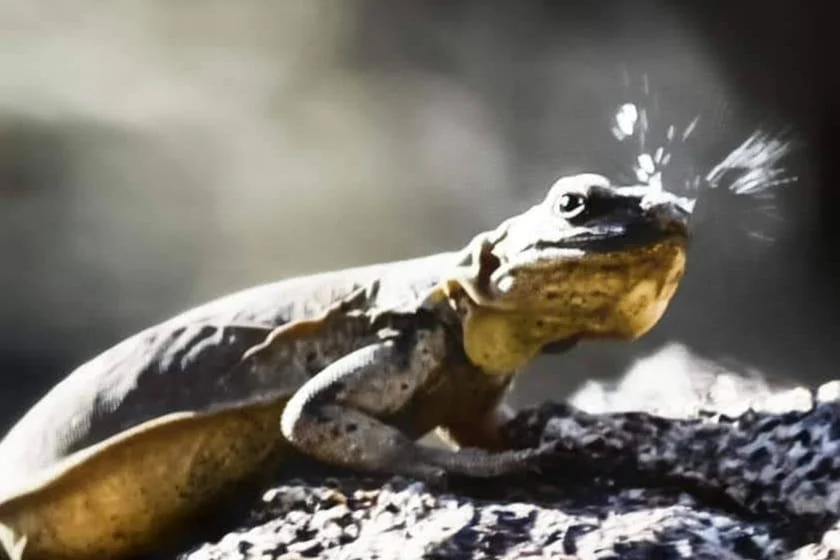
Sneezing and white powder around the nostrils may result from salt gland secretions; however, do not assume it is merely normal salt excretion if you observe bubbles, mucus, mouth-breathing, or repetitive respiratory sounds. Keep a record of temperature and ventilation conditions and consult a veterinarian specializing in reptiles.

7. Substrate and Hides: Minimizing Risks of Ingestion and Collapse
For the initial quarantine period, materials that make it easy to spot waste and signs of parasites—such as unscented paper towels or newspaper—are useful. Once health and feeding habits have stabilized, you can use a firm, dry substrate mixture consisting of pesticide- and fertilizer-free topsoil, washed sand, and clay. Using only a deep layer of loose sand poses risks, such as the animal ingesting large amounts along with its food or structures becoming unstable.
Do not scatter vegetables directly onto the substrate; instead, serve them in a shallow, wide dish. The risk of substrate ingestion increases not only due to the material itself but also due to factors like dehydration, low temperatures, nutritional imbalances, and improper feeding methods. Simply changing the substrate without addressing the underlying digestive environment will not solve all the issues.
Place hides on both the warm and cool sides of the enclosure; they should provide a sense of security by allowing the animal’s body to touch the walls, yet be spacious enough to prevent them from getting stuck or crushed. For structures designed to mimic rock crevices, regularly check that they are securely bonded and stable. If using a Styrofoam background, ensure the surface is completely sealed to prevent pieces from breaking off due to scratching or biting.
8. Diet: A High-Fiber, Rotational Diet Rather Than Just “One Type of Salad”
The core of the diet should consist of dark leafy greens and edible flowers. Rotate through a variety of options, such as dandelion leaves and flowers, endive, escarole, collard/mustard/turnip greens, cactus pads, and squash varieties. For ingredients difficult to source locally, substitute them with safe leafy greens of similar nutritional composition, but avoid relying on a single type as a staple food for extended periods.
Limit fruit to a small portion of the total diet, as it is high in sugar and low in fiber. Ingredients high in oxalates—such as spinach and beet greens—or those containing high levels of specific compounds (like brassicas/cabbage family plants) should be mixed with other vegetables and fed only occasionally; do not use them as a sole staple food. Feeding only high-water lettuce varieties fills the stomach but provides low nutritional density.
Do not provide animal protein separately to accelerate growth. Observations of accidental ingestion of small invertebrates in the wild should not be used as a justification for regularly feeding insects or meat. Chuckwallas are herbivores adapted to process plant fiber, and a high-protein diet can impose a long-term metabolic burden.
Provide fresh vegetables daily to adults, but remove any leftovers the same day. Since juveniles are growing, pay closer attention to the quality of leafy greens and ensure adequate calcium availability. Intake varies based on temperature, season, and the individual’s size; therefore, do not rely solely on whether the dish is empty—record body weight and condition once a week under consistent conditions.

9. Calcium and Supplements: Balance and Measurement Over Quantity
Calcium metabolism is determined by a combination of diet, UVB exposure, and kidney and liver health. Base the diet on calcium-rich leafy greens and provide a light dusting of phosphate-free calcium supplement. Since the exact frequency depends on product concentration, diet, growth stage, and reproductive status, prioritize the product label and advice from a reptile veterinarian.
Do not overuse Vitamin D3-containing supplements as a substitute for UVB exposure. Supplementation strategies cannot be the same for animals receiving properly measured, strong UVB and those receiving no UVB. Avoid combining multiple multivitamin products, as this carries a risk of fat-soluble vitamin toxicity.
If symptoms such as jaw softening, bowed legs, tremors, gait abnormalities, or fractures appear, veterinary care is required to assess for conditions like metabolic bone disease. Suddenly administering large amounts of calcium at home without identifying the underlying cause can worsen the condition. Bring records of environmental parameters, products used, and feeding history to the veterinary clinic.
10. Behavior, Handling, and Co-housing
It is normal for a newly arrived chuckwalla to hide in crevices when a person approaches. For the first one or two weeks, limit interactions to quiet feeding and cleaning, and do not force the animal out of its hiding spot. Afterward, make your presence predictable by moving at a steady pace in front of the enclosure and offering vegetables by hand.
When lifting the animal, support both its chest and pelvis with your hands rather than grabbing it from above. Do not pull on the tail or yank it out of rock crevices. If it puffs up its body and holds its ground, do not use force against it; instead, give it time to release itself.
The fundamental rule of care is solitary housing. Adult males are highly territorial, and in mixed-sex pairings, the female may be harassed by constant courtship and mating attempts. Just because multiple individuals are gathered in the same warm spot does not mean they are “friendly” with one another; in reality, the strongest individual may monopolize the best heat and UVB sources, while weaker individuals may end up eating less.
Experienced keepers attempting co-housing must provide individual hiding spots, multiple identical basking areas, separate enclosures, and a system for recording daily weight and injuries. Separate the animals immediately if you observe biting, tail damage, persistent chasing, or behavioral changes such as an individual turning dark in color and constantly hiding.

11. Cleaning and Quarantine: Even Dry Enclosures Get Dirty
Remove leftover vegetables and waste, and clean the water dish daily. Waste from herbivorous species is voluminous and moist; if left unattended, it fosters mold and attracts flying insects. Inspect the areas beneath structures and in corners once a week, and remove soiled substrate along with a generous margin of the surrounding material.
During deep cleaning, move the animal to a safe temporary enclosure. Use a reptile-safe disinfectant at the prescribed dilution and contact time, then rinse and dry thoroughly. Do not arbitrarily mix in strong-smelling household detergents. Also, check for organic matter in rock crevices and cracks in adhesive joints.
Keep new individuals separated from existing animals for at least 60–90 days, and use dedicated tongs, bowls, and cleaning tools. When handling, attend to healthy animals first before caring for new ones. Documenting weight, food intake, and photos of waste (with dates) during quarantine helps veterinarians identify the onset of any changes.
12. Signs of Health Issues and Veterinary Care Criteria
A healthy chuckwalla opens its eyes and surveys its surroundings after warming up sufficiently, walks steadily, and exhibits an appetite appropriate for the season. Weigh the animal on the same day and at the same time each week, and compare photos of the muscle mass at the base of the tail and the pelvic area. Persistent weight loss is a more significant warning sign than minor, temporary fluctuations in appetite in adults.
Signs requiring immediate attention include eyes remaining closed for over 48 hours, repetitive mouth-opening (gaping) while breathing, nasal discharge or foaming, red oral mucosa or cheesy secretions, limb tremors, jaw deformity, legs dragging limply, severe diarrhea or bloody stool, rectal prolapse, and persistent straining in a gravid female. Do not attempt to diagnose these symptoms solely based on internet photos or administer leftover antibiotics.
Before the veterinary visit, prepare records of temperature, UVI, humidity, weight, and diet from the past two weeks, as well as the product names of supplements and lamps, and photos of droppings. Since environmental issues can cause illness or hinder recovery, treatment must be accompanied by corrections to the husbandry environment.
13. Common mistakes made by beginners
- Applying the basking temperature target to the ambient air temperature: The entire enclosure overheats, approaching 50°C.
- Installing only a high-heat bulb without providing a cool zone: The animal loses the option to escape the heat.
- Relying solely on the UVB percentage rating: Actual UVI differs from the target due to factors like distance, mesh screens, and bulb aging.
- Stacking stones on top of the substrate: Structures may collapse due to digging or movement.
- Excessive fruit and protein: Results in a high-sugar, high-protein diet unsuitable for herbivorous species.
- Removing water: As a desert species, they should be denied access to water sources.
- Forced handling: Attempting to pull them out of rock crevices can result in injuries to the spine, ribs, or tail.
14. Care Checklist
Daily
- Check heat source/UVB operation and temperatures at the basking surface and cool zone.
- Provide fresh leafy greens and clean water.
- Remove waste and leftover food; observe breathing and movement.
Weekly
- Record body weight under consistent conditions.
- Check rock structures, enclosure locks, and probe placement.
- Deep-clean water and food bowls; replace soiled substrate.
Monthly/Seasonal
- Cross-check UVI and temperature readings with separate instruments.
- Record lamp usage hours and scheduled replacement dates.
- Review lighting duration and room temperature adjustments based on the season.
FAQ
Are Chuckwallas suitable for beginners?
While they have a relatively docile temperament, they require a large enclosure safely equipped with high-temperature basking surfaces and strong UVB lighting; therefore, they are better suited for keepers familiar with using monitoring equipment rather than absolute beginners.
Should I feed them insects?
There is no need to feed them insects regularly. The foundation of their diet is a herbivorous regimen centered on various leafy greens and flowers.
Is a water bowl necessary?
Yes, it is. Even though they obtain moisture from plants, you should always provide the option to drink clean water.
Is there a risk of burns due to the high basking temperatures?
Yes, there is. You must measure the actual surface temperature of the basking area using an infrared thermometer, control the heat source with a thermostat, and install guards to prevent contact with lamps or hot metal surfaces.
Related Articles
- Common Chuckwalla Ecology Wiki
- Argentine Black and White Tegu Care Guide
- Sulcata Tortoise Care Guide
References
- Aucone, B. (2004). Captive Husbandry of the Chuckwalla (Sauromalus ater). Contemporary Herpetology.
- Northampton Reptile Centre — Chuckwalla Care Sheet
- ReptiFiles — Common Chuckwalla Care Sheet
- MSD Veterinary Manual — Important Husbandry Requirements for Selected Reptiles
- Animal Diversity Web — Sauromalus ater
- The Reptile Database — Sauromalus ater
Suggest an edit
Tell us which sentence may be incorrect and provide a verifiable source. Submissions are reviewed before publication.