Last updated 2026.09.16 · Edited by silveston · Compiled by an independent hobbyist without professional credentials
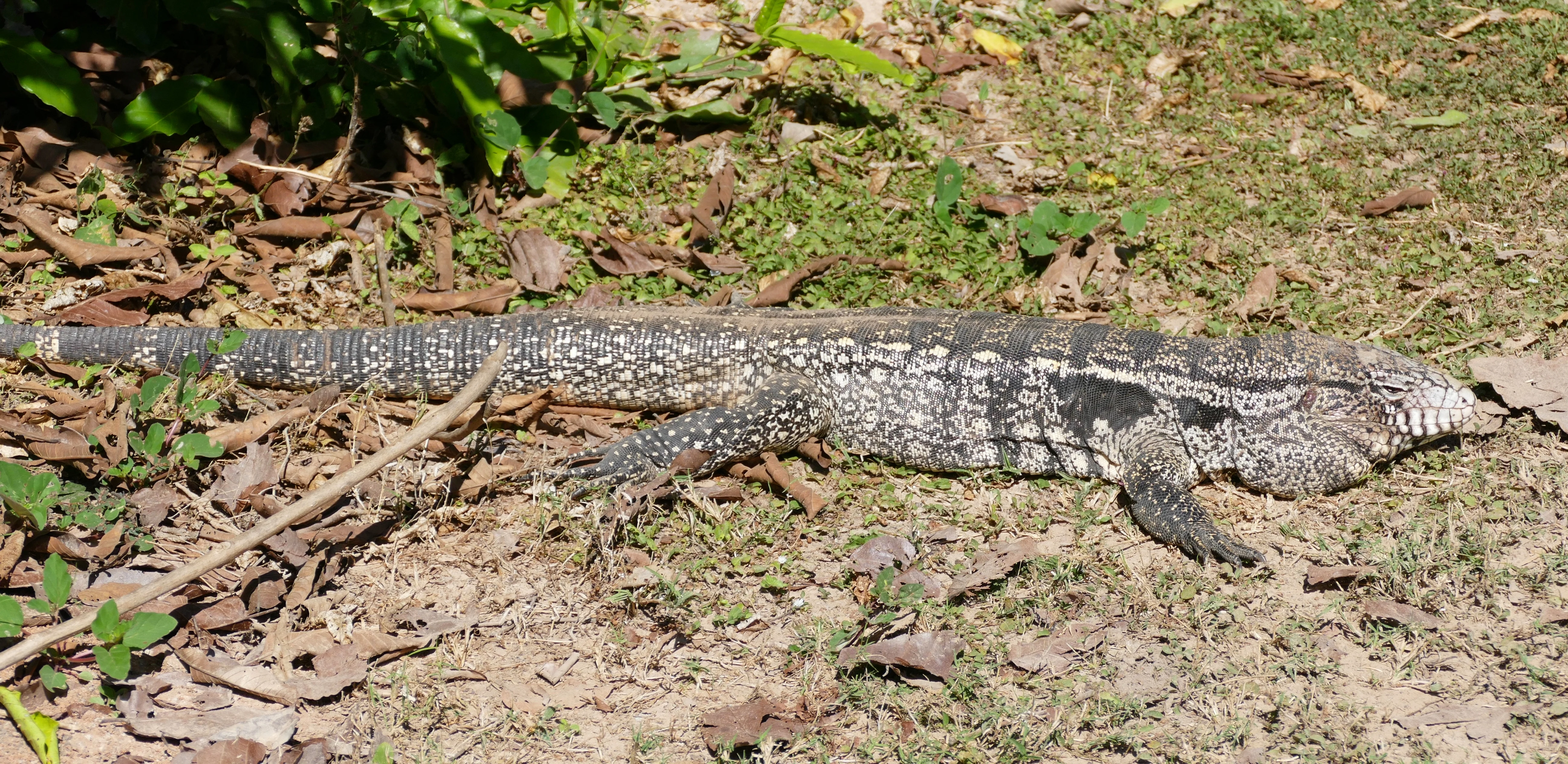
Argentine Black and White Tegus are often promoted as appealing pet reptiles because they recognize their owners and actively explore their surroundings. However, those who choose them based solely on the “dog-like lizard” nickname will soon face reality. Adults exceed one meter in length and are avid diggers; they simultaneously require a wide temperature gradient, strong UVB lighting, deep substrate, and a varied diet. Maintaining a large enclosure over their long lifespan also demands significant space and financial resources for heating and cleaning. A docile temperament is not a guaranteed trait of the species but rather the result of an individual’s experiences and consistent care.
This guide outlines the basic framework for the solitary care of a single, healthy captive-bred individual. Specific figures should be adjusted based on equipment, room temperature, and the animal’s size and health; the enclosure should be set up and running prior to adoption to verify actual measurements. Since normal seasonal behaviors—such as reduced appetite or dormancy—can overlap with signs of illness, it is advisable to share records of the animal’s baseline weight and behavior with a veterinarian experienced in reptile care.
Quick Key Requirements
- Difficulty: Advanced — Requires a large enclosure, high-heat basking, UVB lighting, deep substrate, and significant long-term investment.
- Adult enclosure size: Design based on the animal’s snout-to-vent length (SVL). Practical recommendations are a minimum of approximately 2.4 × 1.2 × 1.2 m for females and 3 × 1.5 × 1.5 m for large males.
- Temperature: Start with a basking surface temperature of 52–57°C, an air temperature of 32–35°C on the warm side, and 24–29°C on the cool side. Turn off the lights at night and allow the temperature to drop naturally to approximately 20–23°C.
- Humidity: Aim for an ambient humidity of 70–80%; provide a humid hide and moist substrate, but do not keep the surface constantly wet.
- UVB: Target a UVI of 3.0–4.0 at the basking spot and provide a gradient that includes a shaded area with a UVI of 0.
- Diet: A variety of invertebrates and appropriate animal-based foods are important during the growth phase; increase the proportion of plant-based foods (vegetables, fruits) in adulthood. Do not feed exclusively on a single type of meat or fruit.
| Care Parameter | Recommended Starting Point | Verification Method |
|---|---|---|
| Basking | Large surface area at 52–57°C | Measure the surface of the rock or platform where the animal basks using an infrared thermometer |
| Daytime air temperature | Warm side: 32–35°C / Cool side: 24–29°C | Digital probes on both sides |
| Nighttime | Approx. 20–23°C, no light | Minimum temperature logger; Consider a non-light-emitting heat source if the room is cold |
| Humidity | Generally 70–80%; higher in the humid hide | Hygrometers on both the warm and cool sides |
| UVB | UVI of 3.0–4.0 at basking light height | UV index meter, such as a Solarmeter 6.5 |
| Substrate | At least 30 cm deep on one side; deeper if possible | Ensure the burrow does not collapse and the interior remains moist |
1. Before adoption: Factor in the space required for an adult and a lifespan of over 15 years

_male_Vicente_Lopez.jpg)
Young Tegus may fit in small glass enclosures, but only briefly; well-fed individuals grow rapidly and quickly outgrow commercially available enclosures. International welfare standards calculate enclosure length and width based on body length—specifically, snout-to-vent length (SVL). ReptiFiles’ minimum recommendations, synthesized from 2022 UK and German guidelines, are approximately 2.4 × 1.2 × 1.2 m for adult females and 3 × 1.5 × 1.5 m for large males. These figures are not the ultimate goal, but rather a starting point to ensure adequate movement and temperature gradients.
Maintenance costs are just as important as enclosure size. Costs include multiple halogen lamps to warm a large space, T5 HO UVB lighting, bright visible light, periodic substrate replacement, and electricity. You must also plan ahead for logistics—such as whether the enclosure fits through doorways and if the floor can support its weight—and ensure walls are protected from leaks and humidity. Arrangements must be made for the animal’s care during moves, power outages, or your extended absences.
Tegus are strong; they can push up through low gaps and dig at corners. You cannot assume a single pet safety gate is enough to fully control the area where they roam freely. Electrical cords, heaters, swallowable objects, and contact with other pets all pose risks. Walks or room exploration cannot replace a proper enclosure, as the animal cannot maintain the necessary body temperature and humidity levels in cold floor temperatures or dry air.
Before purchasing, check local regulations and verify the animal’s legal origin. Some regions restrict ownership, transport, or breeding due to the risk of them becoming an invasive species. Prioritize captive-bred animals with clear origins over wild-caught ones, and plan for a fecal exam and health check-up immediately after adoption. Releasing an animal outdoors because you cannot handle its adult size harms both the animal and the ecosystem.
2. Enclosure structure: Escape-proof design, deep substrate, and at least two hiding spots.


For adult enclosures, materials capable of retaining heat and humidity—such as waterproof PVC or sealed wood—are ideal. Ventilation should be arranged to allow for low-level intake and high-level exhaust, but openings should not be so large that humidity escapes too rapidly. Doors require a locking mechanism that cannot be opened by pushing from the inside, and both ventilation screens and lamp guards must be strong enough to support the adult animal’s weight. Heat sources should be securely mounted to prevent direct contact with the animal’s head or limbs.
The substrate must be deep enough to allow for burrowing. Create a soil layer at least 30 cm deep, or 45–60 cm if space permits. A mixture of fertilizer-free topsoil, sand, and clay allows the substrate to hold its shape when moist while ensuring proper drainage. While small amounts of coco peat or cypress mulch can be added, using a thick layer of lightweight, dusty material alone can lead to burrow collapse and irritate the animal’s nose and eyes. The ideal consistency is one that holds its shape when squeezed by hand but does not release water.
Place hides large enough to accommodate the animal’s entire body on both the warm and cool sides of the enclosure. On the cool side, add a “moist hide” containing damp moss or moist soil. Logs, cork bark, low shelves, and sturdy basking platforms create a three-dimensional environment. All structures must be supported directly by the enclosure floor or securely anchored to prevent collapse if the animal digs underneath them.
The water dish should be wide enough for the animal to partially submerge its body, and it should feature a gentle slope to allow the animal to climb out on its own. Tegus tend to drag substrate into their water or defecate in it, so materials that can be removed and washed are ideal. Change the water and clean the container immediately if it becomes soiled. Rather than wetting the entire enclosure to raise humidity, it is better for skin and respiratory health to retain moisture in the lower substrate layers and a humid hide while allowing the surface to remain partially dry.
3. Temperature gradient: Warm the entire body of the adult, not just a single point.


Aim for a daytime basking surface temperature of 52–57°C, creating a gradient that transitions to 32–35°C on the warm side and 24–29°C on the cool side. Measure the basking surface (stone or platform) with an infrared thermometer, and measure air temperature using a digital probe positioned at the animal’s body height. Temperatures near the ceiling or the lamp itself do not accurately reflect the conditions the tegu actually experiences.
Creating a small, hot spot that heats only the center of an adult’s back can lead to localized skin overheating while the head and pelvis remain cold. Cluster multiple halogen flood lamps to create a broad heat zone that covers the area from the shoulders to the pelvis. Required wattage varies based on light height, room temperature, and the presence of mesh; do not simply copy specifications from a specific product—adjust based on actual measurements. All high-heat equipment must utilize sockets, protective guards, overheat cut-off mechanisms, and thermostats that meet the required specifications.
Turn off all bright lamps at night and allow the temperature to drop to around 20–23°C. If a healthy adult is kept within this range, there is no need to keep red or blue lamps on overnight. If the room is colder, connect a non-light-emitting radiant heat panel or ceramic heater to a thermostat, but do not heat the entire enclosure to daytime temperatures. Day-night cycles are essential for sleep and seasonal rhythms.
Run the empty enclosure for at least a week before acquiring the animal to record temperatures during the hottest part of the afternoon and the coldest part of the early morning. Infrared thermometers measure surface temperatures only; a probe is required to measure air temperature. Do not rely on a single adhesive analog thermometer to assess the entire temperature gradient. If the animal constantly hides in cool areas or avoids basking, check for overheating, excessive light, or a lack of hiding spots; if it remains motionless under the heat source all day, check for low ambient temperatures or health issues.
4. Coordinate humidity, ventilation, UVB, and seasonal cycles.

_-_Flickr_-_berniedup.jpg)
A humidity level of 70–80% is generally a good starting point. It is natural for the warm side to be drier, while the cool side and the interior of the burrow remain more humid. Place a hygrometer on each side, and instead of using short bursts of mist that only cause a momentary spike in readings, evenly mix water into the lower layers of the substrate. Since a constantly wet surface and stagnant air increase the risk of mold and skin issues, ensure proper ventilation and create areas that are allowed to dry out partially.
For highly diurnal lizards, UVB is not an optional accessory. Position a T5 HO fixture on the basking side and use a UV index meter to ensure a UVI of 3.0–4.0 at the animal’s back height. The hide on the opposite side should provide a shaded area with a UVI of near zero. Since metal mesh between the lamp and the animal reduces output, measure actual conditions rather than relying solely on the manufacturer’s distance chart. UVB lamps can lose effective output even while the light remains visible; therefore, adhere to manufacturer replacement schedules and perform regular measurements.
Overlap the UVB and heat sources on the same side to create a “bright, warm day” zone. Adding bright visible lighting to about half of the enclosure supports exploratory behavior and plant maintenance. Start with a photoperiod of approximately 12 hours and adjust it gradually according to region and season. Sunlight passing through glass cannot be counted as a UVB source, and exposing a closed glass enclosure to direct sunlight can lead to dangerous overheating, similar to a greenhouse.
Argentine tegus may exhibit seasonal dormancy, but it is not mandatory to artificially induce this in pet individuals. Immediately turning off heat and lights simply because appetite has decreased could cause you to overlook underlying illnesses or parasitic infections. If planning for dormancy, first consult a reptile veterinarian to check the animal’s health, weight, digestive tract status, and enclosure setup. Avoid voluntary dormancy, in particular, for growing animals, underweight individuals, or those suspected of illness. Even during dormancy, periodically monitor and record weight, respiration, and hydration status.
5. Diet: “Omnivorous” Does Not Mean Just Feeding Them Anything

,_quarelling_neighbours_..._-_Flickr_-_berniedup.jpg)
Since juveniles grow rapidly, feed them frequently with a focus on nutritionally complete insects—such as crickets, Dubia roaches, silkworms, and grasshoppers—and appropriately sized whole prey. A good starting point is feeding hatchlings 5–6 times a week and growing individuals 3–5 times a week, but avoid overfeeding to the point where the belly becomes excessively distended. Reduce feeding frequency to 2–3 times a week for adults, adjusting the amount based on body condition and seasonal activity levels. It is more accurate to track weight, the base of the tail, and abdominal contours weekly rather than relying on a calendar.
Increase the proportion of plant-based ingredients as they grow. Mix a variety of items such as dark leafy greens, squash, bell peppers, young legume pods, and small amounts of berries, figs, and melons. While they consume fruit in the wild, its high sugar content means it should not make up the bulk of their diet. For adults, a manageable approach is to serve a vegetable-based dish while rotating in insects, eggs, and appropriate whole prey. Feeding only muscle meat causes them to miss out on the calcium and trace nutrients found in bones and internal organs.
Gut-load insects with calcium-rich food and lightly dust them with phosphorus-free calcium powder immediately before feeding. When UVB exposure and diet are adequate, avoid the excessive use of Vitamin D3 supplements at every feeding. The frequency of multivitamin supplementation depends on product concentration and the animal’s diet; therefore, follow the manufacturer’s guidelines and veterinary advice. Relying solely on raw eggs and raw meat, or using commercial dog or cat food as a staple diet, carries risks of nutritional imbalance and obesity.
Do not hand-feed directly; use tongs or a bowl instead. The animal might confuse your hand with the food when lunging toward the scent. Establishing consistent routines—such as distinguishing between food preparation and handling signals, or knocking on the enclosure door before feeding—can help reduce excitement. Remove any leftover fresh food within a few hours, and ensure frozen food is fully thawed and warmed through to the center before serving.
6. Behavior, Handling, Cleaning, and Health Signals

,_Parque_Estadual_Encontro_das_%C3%81guas_Thomas-Fuhrmann.jpg)
Quarantine new individuals in a separate area for at least 60–90 days and do not share equipment with other reptiles. During the first week, avoid disturbing their hiding or feeding; instead, stay quietly near the enclosure to help them acclimate to your presence. Afterward, lower your hand and allow the animal to investigate by scent first. Do not grab them from above or hold them by the tail. Engage in brief, predictable interactions and respect signals such as tongue flicking, body puffing, tail whipping, or mouth gaping.
When lifting an adult, support both the chest and the pelvic area simultaneously to prevent the body from sagging. Do not lift the animal close to your face or allow unsupervised contact with children or other pets. Tegus do not require social companions and are safest when housed alone. Do not attempt co-housing without ample space and separate enclosures, as this carries risks regarding size differences, competition for food, breeding stress, and sudden aggression.
Remove water, waste, and leftover food daily, and spot-clean or replace any wet, decaying substrate. Once a week, inspect décor, door frames, and vents, and record weight, feeding, waste output, and shedding status. During deep cleaning, move the animal to a safe temporary container, use a reptile-safe disinfectant according to the manufacturer’s instructions (concentration and contact time), and rinse and dry thoroughly. Do not mix with strong-smelling household detergents.
Signs requiring veterinary attention include persistent loss of appetite, rapid weight loss, deformities of the jaw or limbs, tremors, limping, oral mucus, audible breathing, nasal discharge, diarrhea, bloody stool, severely sunken eyes, and abdominal swelling without waste elimination. Retained shed skin forming a ring around toes or the tail can restrict blood flow. Consult a veterinary clinic experienced in treating reptiles, and have environmental data, recent diet details, photos of waste, and weight records ready. Do not diagnose illnesses based solely on online information or administer human medications or antibiotics without professional guidance.
Care Checklist: Check temperatures (on both sides), humidity, water, waste output, and appetite daily. Check weight, physical condition, lamp security, door locks, and substrate moisture weekly. Re-measure UVB distances and the temperature distribution across the entire basking area monthly, and check or replace UVB bulbs according to the manufacturer’s schedule. If seasonal behavioral changes occur, do not simply dismiss them as “hibernation”; compare them against your regular records.
When adjusting the environment, change only one variable at a time and monitor the effects for at least a few days. If you simultaneously alter temperature, humidity, lighting duration, and diet in response to a drop in appetite, it becomes impossible to identify the specific cause. Recording daily data—such as temperatures on the warm and cool sides, humidity, basking surface conditions, food intake, waste output, and body weight—helps distinguish between seasonal shifts and acute issues. Taking a photo from the same angle once a month makes it easier to notice gradual changes like obesity or muscle loss.
Preparing for power outages is part of caring for large reptiles. For short outages, keep the enclosure closed to minimize heat loss; if prolonged cold is expected, prepare a ventilated, insulated transport container and a safe external heat source. Never place hot water bottles or hand warmers in direct contact with the animal’s skin. In the event of air conditioning failure during summer, turn off the lamps and provide a cool retreat and water, but avoid rapidly lowering body temperature with a cold-water bath. To prevent fire hazards, regularly check the ratings of high-wattage lamp circuits and power strips.
Enrichment begins with providing choices rather than relying on expensive toys. Hide food in various locations, provide safe items like cardboard boxes and piles of leaves, vary olfactory stimuli, and rotate low, sturdy climbing structures. Inspect any new object for swallowable parts, sharp edges, or toxic adhesives. Design food puzzles to be easily solved at first, and gradually increase the difficulty so that repeated failures do not cause stress.
“Taming” is not a process of forcibly restraining an animal until it gives up. Instead, allow the animal to emerge from its hiding spot on its own, investigate the scent of your hand, and retreat after brief contact. Distinguishing between feeding tongs, cleaning tools, and signals that indicate the start of handling increases predictability. Males during breeding season or individuals undergoing shedding may be more sensitive than usual; do not ignore warning signs simply because the animal was docile in the past.
Schedule a health check-up at least once a year, in addition to the initial post-adoption exam. Move the check-up to an earlier date if there are changes in fecal consistency or exposure to outdoor activities, new food sources, or other reptiles. When consulting a veterinarian, do not simply state the type of lamp used; provide actual data on UVI, surface and air temperatures, humidity levels, and dietary records. Environmental issues cannot be resolved by medication alone; conversely, existing infections or injuries should not be neglected simply because the environmental conditions have been corrected.
Frequently Asked Questions
Is an 8×4×4 foot enclosure sufficient for all adults?
No. While it is often cited as a minimum starting point for smaller females, large males require more length. Base your decision on the individual’s snout-to-vent length (SVL), activity level, and temperature gradient requirements.
Can I let them roam freely indoors instead of using an enclosure?
No. Standard indoor floors are too cold and dry, and they fail to provide UVB or safe burrowing spots. Free-roaming should only be a supplementary enrichment activity performed under supervision.
If it doesn’t eat during winter, can I put it into hibernation right away?
Loss of appetite can also stem from illness or improper environmental conditions. You must first verify its health, weight, and records of temperature and lighting; do not arbitrarily turn off the heat source.
Aren’t tegus docile and unlikely to bite?
Even well-socialized individuals may bite or whip their tails if startled or excited by food. Safety procedures appropriate for their size and respect for their behavioral signals are essential.
Reference Materials
- ReptiFiles. “Tegu Enclosure Size Guidelines.” Original Source.
- ReptiFiles. “Tegu Humidity, Lighting & Heating Requirements.” Original Source.
- ReptiFiles. “Tegu Substrate Options.” Original Source.
- Baines, F. M. et al. 2016. “How much UV-B does my reptile need? The UV-Tool.” Journal of Zoo and Aquarium Research 4(1):42–63. DOI.
- Mellor, D. J. 2016. “Updating Animal Welfare Thinking: Moving beyond the ‘Five Freedoms’ towards ‘A Life Worth Living’.” Animals 6(3):21. DOI.
- Tattersall, G. J. et al. 2016. “Seasonal reproductive endothermy in tegu lizards.” Science Advances 2:e1500951. DOI.
- Goetz, S. M. et al. 2021. “Argentine Black and White Tegu can survive the winter under semi-natural conditions well beyond their current invasive range.” PLOS ONE 16:e0245877. DOI.
- Association of Reptile and Amphibian Veterinarians. “Find a Vet.” Organization Website.
Suggest an edit
Tell us which sentence may be incorrect and provide a verifiable source. Submissions are reviewed before publication.