Last updated 2026.10.09 · Edited by silveston · Compiled by an independent hobbyist without professional credentials
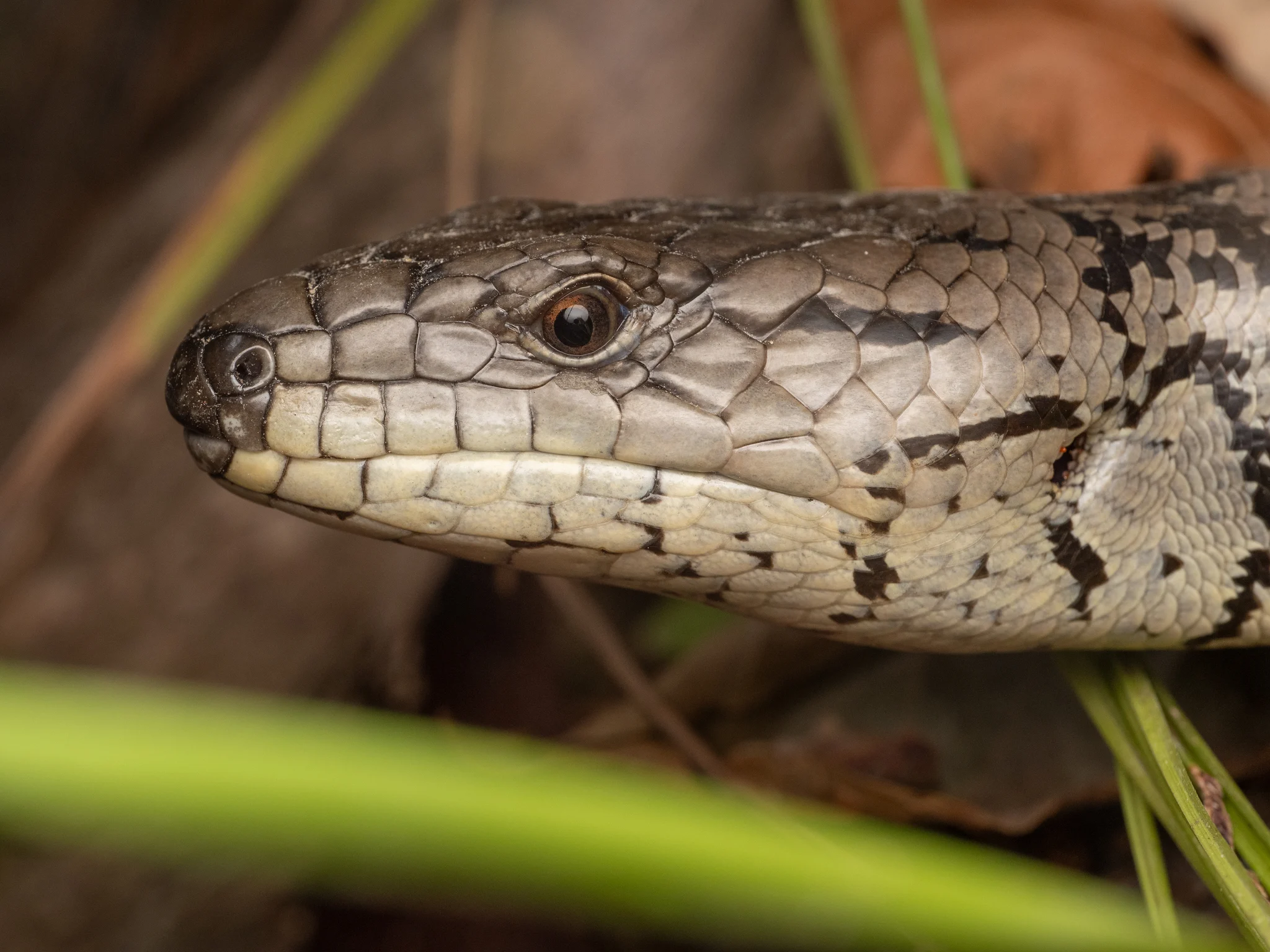
The Pink-tongued Skink (Cyclodomorphus gerrardii) is a medium-sized skink with an elongated flexible body that moves between ground and low branches, plus dentition specialized for snails and slugs. Successful care cannot be reduced to “a humid skink.” It requires broad floor space, secure climbing structure, ventilated surfaces that can dry, moist refuges, a measurable thermal gradient, and safely sourced mollusk prey at the same time.
This guide provides general care standards for healthy captive-bred animals. It does not recommend collecting wild skinks or using wild snails as feeders. Numbers are starting points and must be adjusted for age, body condition, behavior, feeding, feces, shedding, enclosure material, room temperature, and season. It does not diagnose disease or prescribe medication; persistent warning signs require a veterinarian experienced with reptiles.
Before acquisition: identity, origin, and legal records
- Confirm that the animal is Cyclodomorphus gerrardii and whether the historical names Hemisphaeriodon gerrardii or Tiliqua gerrardii appear in the same record.
- Obtain captive-breeding status, parental lineage, hatch or birth date, recent weight, foods accepted, and shedding and fecal records.
- Verify import and transfer documentation and the seller’s lawful authority. A product label alone does not prove legality or species identity.
- Secure a dependable source of snails or safe alternatives and identify a reptile-experienced veterinarian before arrival.
Keep a new arrival separate from established reptiles and use dedicated tools; do not share hands, tongs, or water bowls without hygiene between animals. The quarantine period depends on origin and veterinary advice. Do not diagnose disease from a few days of poor appetite, but record weight loss, abnormal breathing, oral lesions, and suspicious feces. Repeated handling immediately after arrival interferes with feeding adaptation and observation.
Quick setup table: values and measurement conditions
| Practical starting minimum for an adult | About 120 × 60 × 60 cm; prioritize larger, structured space |
| Basking surface | About 32–35°C, checked on the exact contact surface with an infrared thermometer |
| Warm-side air | Generally 26–29°C, measured by a digital probe at animal height |
| Cool side | Generally 23–26°C, measured at shaded hide level |
| Night | A healthy adult usually tolerates a drop into about 18–22°C, but abrupt chilling must be avoided |
| UVB | Begin around UVI 2–3 at the basking zone and adjust with a UV meter and manufacturer distance chart |
| Photoperiod | Generally 10–12 hours, adjusted gradually for season and room temperature |
| Humidity | Provide fluctuation around roughly 55–75%, a moist refuge, and drying surfaces rather than chasing one average |
| Feeding | Small frequent meals for juveniles; adults generally 2–3 times weekly, adjusted by condition and feces |
| Cohabitation | House singly by default; even breeding attempts require a ready separation enclosure |

Enclosures by growth stage: start manageable, not cramped
Juveniles
A newborn or small juvenile can begin in an enclosure around 60 × 45 × 45 cm where food intake and feces are easy to observe. A bare plastic box with one hide, however, makes a thermal gradient and climbing behavior difficult to provide. Include low branches, cork, leaf cover, warm and cool hides, and a shallow water bowl while retaining enough open route for the animal to stretch fully and move.
Rather than confining a juvenile too tightly for fear that it will miss food, keep feeding stations consistent and offer small portions near several refuge entrances. Seal gaps far smaller than the head width, and prevent branches from meeting the door and forming an escape route. Prepare the next enclosure before growth forces an urgent move.
Subadults and adults
Expand beyond about 90 × 45 × 60 cm by the subadult stage, and use roughly 120 × 60 × 60 cm as a practical adult starting point. Do not choose a low enclosure from body length alone. The species uses both ground area and low height, so multiple travel routes are more useful than enlarging only one dimension.
A large enclosure is not automatically a good one. Warm and cool zones must be physically distinct, hides must exist at both ends, and branches of several diameters must connect safely to the floor. Heavy stone and cork should be fixed or supported independently of loose substrate so digging cannot collapse them. If glass reflections cause persistent vigilance, cover the sides to create visual security.
Thermal gradient: three locations, not one number
Place the basking lamp over one end and control it with a thermostat. Verify the 32–35°C basking surface on the exact branch or slab the animal contacts with an infrared thermometer, and measure air temperature with a separate digital probe. An infrared thermometer reads surfaces while a probe reads surrounding air; the two measurements are not interchangeable.
Place a second probe at body height on the warm side and a third at or inside the cool hide. The goal is not to heat the entire enclosure above 30°C but to let the animal choose between a 32–35°C surface and a 23–26°C refuge. When room temperature rises in summer, protect the cool zone and reduce lamp output first unless a safe cooling plan is available.

Night and seasonal change: gradual drop, not abrupt chilling
Turn off visible light at night and, for a healthy adult, a drop into roughly 18–22°C can usually be allowed. Do not apply the same lower temperatures to juveniles, underweight animals, or animals in recovery. If the room falls below 18°C, use a non-light-emitting heat source on a thermostat while preserving a gradient rather than warming the entire enclosure evenly.
Approach seasonality by changing photoperiod and average room temperature gradually over weeks. Extreme winter cooling is unnecessary when breeding is not intended. Avoid chilling an animal that is not feeding or dropping temperature sharply before digestion is complete. If activity, weight, or appetite changes, record the animal’s response rather than defending a preset number.
Lighting and UVB: measured exposure, not bulb percentage
Pink-tongued Skinks are mostly crepuscular and nocturnal but can bask and encounter daylight. Providing low-to-moderate UVB with access to shade is therefore a prudent starting point. Begin around UVI 2–3 at the basking position, but verify with a UV meter because mesh, distance, reflector, and lamp age substantially alter actual exposure.
Overlap the UVB tube with the basking zone on one side and create complete shade with plants, cork, and hides on the other. A labeled “5%” or “6%” lamp does not produce the same UVI across different enclosure heights and mesh screens. Use manufacturer replacement guidance together with meter readings; sunlight through glass can add heat without providing effective UVB.
Humidity and ventilation: a cycle, not a wet box
Allow overall humidity to fluctuate roughly around 55–75%, rising after misting and falling as surfaces dry. Keep one cork refuge on the cool side consistently moist with moss or soil, and retain some moisture in the lower substrate. The upper surface and warm side, however, should be able to dry within hours.
Sealing the entire enclosure with plastic when humidity is low can create stagnant air, persistently wet surfaces, and microbial growth. Build cross-ventilation with lower side vents and upper vents on the opposite side. If humidity falls too quickly, adjust substrate depth, water-bowl placement, and misted area rather than blocking every vent. Check digital hygrometers near the floor and at mid-height.

Hides, substrate, and climbing structure
Provide at least one snug hide on both warm and cool sides plus a separate moist refuge. Cork flats, hollow cork rounds, and overturned bark work well; entrances must be wide enough to prevent wedging. Arrange refuges so they can be checked without removing the animal, reducing unnecessary capture.
A starting substrate can combine fertilizer-free, pesticide-free organic soil, coco fiber, bark, and leaf litter at a depth of about 8–12 cm. For juveniles or animals under close observation, keep a paper-towel zone around the feeding station to monitor intake and feces. Avoid using only large ingestible chips or placing calcium sand beneath food dishes.
Mix branches thicker than the trunk with branches of similar diameter, connecting them low and densely enough that a fall is not severe. Cork and textured wood provide more secure claw purchase than smooth plastic rods. Maintain burn-safe clearance between branch tips and lamps, and test every structure for movement before closing the door.
Water and hydration
Keep a shallow, heavy water bowl on the cool side, large enough for soaking but easy to exit. Replace water daily and clean immediately if contaminated by feces or substrate. Even if the animal licks droplets after misting, do not remove the bowl. Conversely, a large pool added only to raise humidity can increase drowning, contamination, and waterlogging risks.
Dehydration may be suspected from sunken-looking eyes, tacky saliva, altered skin elasticity, or scant hard feces, but none of these signs proves a cause. Excess moisture and low temperature can also reduce activity and appetite. Provide the veterinarian with temperature and humidity logs plus weight trends rather than one visible sign alone.

Dietary center: safely sourced snails and slugs
The dietary center should be lawfully supplied captive-produced or food-grade terrestrial snails and slugs. Do not feed wild-caught mollusks because they may carry molluscicides, pesticides, parasites, or environmental contaminants. If canned snails are considered, use only an unseasoned single-ingredient product without salt, butter, garlic, or spices, and check the ingredient list and sodium first.
When offering snails in shell, choose a size appropriate to head width and jaw strength; do not force an animal to tackle an oversized thick shell. Give juveniles small snail meat or finely divided mollusk portions in a shallow dish so intake can be verified. Remove leftovers and mucus within hours to prevent substrate decay and fly breeding.
Variety can be added without displacing the mollusk-centered diet by using earthworms, silkworms, appropriately sized crickets, and other safe invertebrates. This guide does not recommend Dubia roaches in South Korea because of ecological-risk and distribution-regulation concerns. Do not make pinky mice, dog or cat food, or eggs a routine staple; they are calorie-dense and can be high in phosphorus or fat.

Feeding frequency, body condition, and supplements
For juveniles, begin with small meals about 4–5 times weekly to account for growth and limited stomach capacity. Adults generally begin around 2–3 meals weekly. Do not fix every meal to one body-weight percentage; consider the amount eaten within 15–30 minutes, the next feces, abdominal distension, and weekly weight. Adding calorie-dense food every day simply because it is accepted can conceal obesity and reduced activity.
Aim for a body condition in which the spine and pelvis are not sharply prominent, the tail base does not narrow abruptly, and fat does not make the abdomen drag. Weigh growing animals weekly and stable adults once or twice monthly under consistent conditions, then graph the results. A three-to-four-week trend is more informative than one daily value.
Do not automatically coat every meal heavily with calcium when the animal eats shells and a varied invertebrate diet. Adjust plain calcium and vitamin frequency to UVB exposure, diet analysis, growth, and reproductive state, and avoid stacking several products containing vitamin D3. Do not exceed label directions or use human vitamins casually; suspected deficiency should not be treated by increasing supplements without assessment.
Shedding management
A normal shed may come away in several pieces; skin that remains on toes, tail tip, or around the lips is more concerning. Keep a moist refuge available and provide textured cork and wood for rubbing. Do not pull visible skin immediately with dry forceps. First allow it to soften in a warm humid refuge and see whether it releases naturally.
Repeated retained shed is not necessarily caused by low humidity alone. Low temperature, dehydration, nutritional imbalance, skin injury, or inadequate movement may contribute, so review environmental logs and diet. Seek veterinary care promptly if a toe darkens or swells, the tail tip dries, or a constricting ring is visible.
Behavior, handling, and escape prevention
For at least the first 1–2 weeks after arrival, emphasize observation until feeding and feces stabilize, and do not lift hides merely to seize the animal. Begin handling near the floor for only 3–5 minutes, supporting chest and pelvis together and never pulling the tail. When moving a skink from a branch, shift the supporting hand so it walks forward voluntarily rather than prying claws or tail loose.
Rapid tongue flicking, body flattening, tail gripping, sudden flight, and gaping can indicate stress. The animal’s behavior that day matters more than the species’ reputation for docility. Do not handle immediately after feeding, just before a shed, when pregnancy is suspected, or when breathing is labored.
Inspect door gaps, cable ports, and the space between sliding doors regularly. The elongated flexible body can pass through smaller openings than expected, and a low branch leading to the door becomes an escape route when it opens. Never provide outdoor exercise or sunlight without a secure enclosed carrier or cage.

Cohabitation: a separation plan matters more than the label “social”
Some captive reports describe pairs or small groups, but this does not make cohabitation inherently safe. Subtle exclusion from food, basking sites, or hides can produce weight loss and increased hiding without obvious fight wounds. Single housing is the default for beginners, and even supervised breeding introductions require an empty enclosure ready for immediate separation.
Duplicate hides, feeding stations, and basking access for each cohabiting animal, and record individual weights whenever possible. If one animal always feeds first or another avoids part of the enclosure, management is already failing. Sleeping in contact is not sufficient evidence of affection or safety.
Cleaning and hygiene
Replace water daily and remove leftover food, feces, and wet contaminated substrate. Inspect glass, feeding dishes, and frequently used branches weekly, and assess odor, mold, flies, and drainage each month. A bioactive enclosure is not maintenance-free; cleanup-creature populations and waste load still require observation.
When using disinfectant, follow the dilution and contact time of a reptile-safe product, then rinse adequately or allow complete drying before returning the animal. Never mix chlorine products or strongly scented household cleaners. Brushes and tongs moved between enclosures must pass through a full clean, disinfect, and dry sequence.
Warning signs and when to seek veterinary care
- Unexplained weight loss across a 2–4 week trend, repeated food refusal, or difficulty swallowing
- Oral swelling, discoloration, mucus, ulceration, tongue deviation, or repeatedly dropping food
- Open-mouth breathing, nasal discharge or bubbles, respiratory noise, or excessive throat movement at rest
- Swelling or deformation of jaw or limbs, tremors, or inability to right promptly
- Diarrhea, blood, suspected parasites, or abdominal distension with no feces for several days
- Discolored toes or tail tip from a shed ring, wounds, burns, or bites
None of these signs proves one disease. Bring temperature, humidity, and UVB measurements, four weeks of weights, food type and amount, fecal and shed photographs, and origin records to the appointment. Never administer human antibiotics, anti-inflammatory drugs, dewormers, or leftover prescriptions without veterinary direction.
Common beginner mistakes
- Heating the entire enclosure above 30°C and removing the cool option.
- Blocking every vent and keeping substrate continuously wet in an attempt to raise humidity.
- Acquiring the skink without a snail supply plan, then replacing the staple with dog or cat food or eggs.
- Rinsing and feeding wild snails or slugs while overlooking pesticide and parasite risk.
- Recommending Dubia roaches as a routine feeder in South Korea without checking distribution restrictions.
- Trusting bulb percentage and distance without measuring UVI or providing complete shade.
- Handling daily from arrival because the species is said to be docile.
- Failing to track individual weight and food access because no overt fight occurs after cohabitation.
Weekly and monthly checkpoints
| Daily | Replace water, remove leftovers, verify basking and cool-side temperatures, and observe breathing and posture |
| 2–5 times weekly | Feed according to age, record food type and intake, and confirm the drying phase after misting |
| Weekly | Weigh juveniles and inspect toes, tail tip, lips, and enclosure stability |
| Once or twice monthly | Assess adult weight and condition, UVB distance, probe placement, and blocked vents |
| Quarterly or as needed | Partially replace substrate, assess hidden mold, flies, and drainage, and cross-check thermometers |
| With a veterinarian | Quarantine testing, fecal examination, disease treatment, and pre-breeding assessment |
Read the natural history behind the care
The snail-specialized teeth, blue juvenile tongue, viviparity, humid eastern Australian forest ecology, and recent phylogenetic research are covered in the Pink-tongued Skink Natural History Wiki. Husbandry values are not literal copies of the wild; they are management starting points that use natural history and captive observations to provide choice and measurable conditions.
References
- The Reptile Database. Cyclodomorphus gerrardii.
- Swell Reptiles. Pink tongue skink care sheet. Comparative source for enclosure, temperature, lighting, and humidity ranges.
- Reptifauna Australia. Pink Tongue Skink Care Sheet. Comparative husbandry range; its Dubia-roach recommendation is not adopted for South Korea.
- Llinas, J. et al. 2024. Diagnosis and management of Cryptococcus neoformans var. grubii detected in an oral mass in a pink-tongued skink. Australian Veterinary Journal. DOI: 10.1111/avj.13337.
- Brennan, I. G. et al. 2024. Evolutionary bursts drive morphological novelty in the world’s largest skinks. DOI: 10.1016/j.cub.2024.07.039.
- Cogger, H. G. 2014. Reptiles and Amphibians of Australia, 7th ed. CSIRO Publishing.
Suggest an edit
Tell us which sentence may be incorrect and provide a verifiable source. Submissions are reviewed before publication.