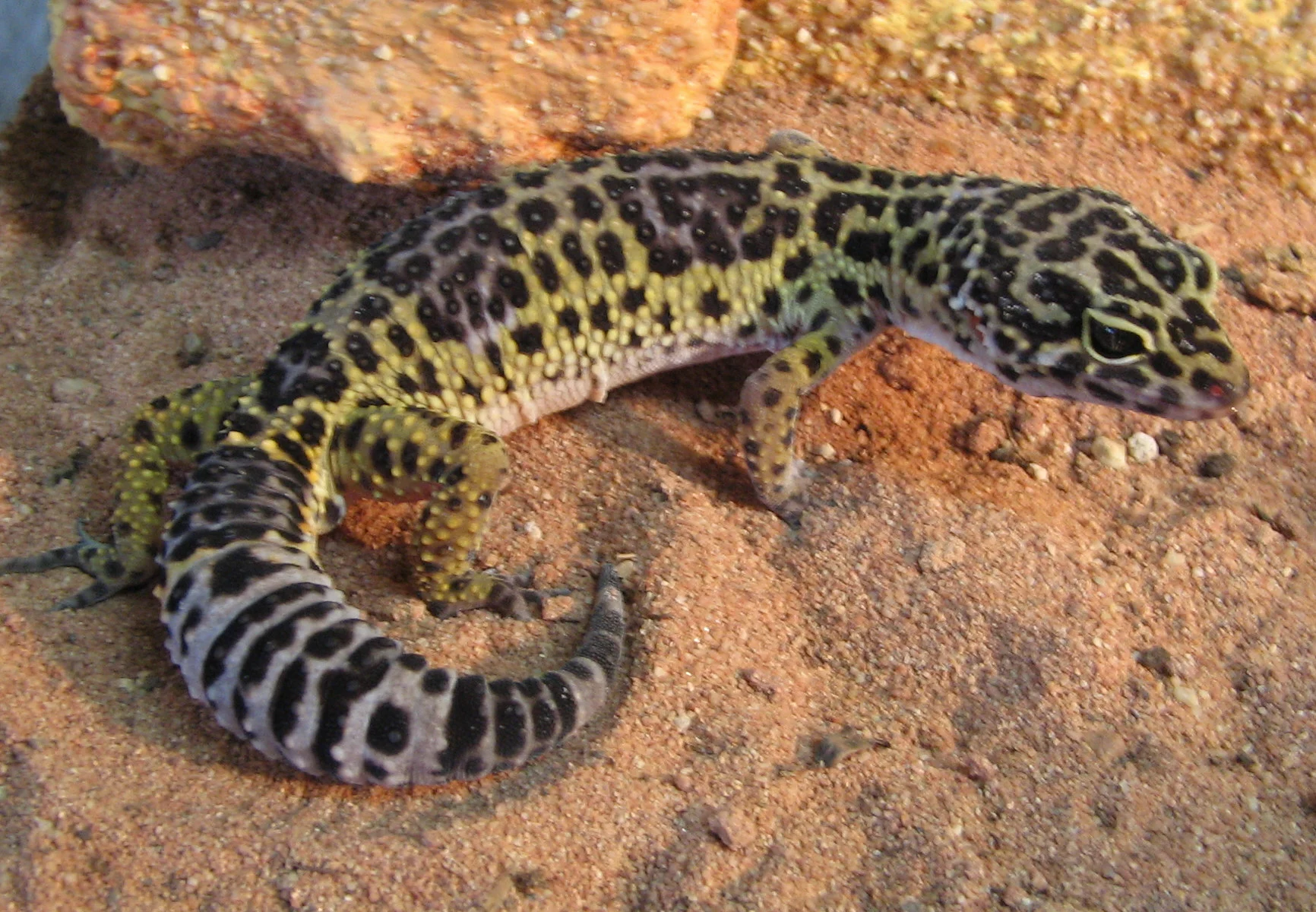
When you observe reptiles daily, it is actually easy to overlook subtle changes. A more important question than whether the weight dropped by 1g since yesterday is: “In which direction has it been trending over the past few weeks?” Weight is not a figure that provides a definitive diagnosis; rather, it serves as a reference point connecting growth, food intake, defecation, shedding, and changes in body shape.

30-Second Summary
- Rather than a single weight measurement, tracking continuous weight changes provides more information.
- Comparisons are easier when weighing is done using the same scale, at a similar time, and under similar conditions regarding feeding and defecation.
- Along with the weight, record details such as appetite, waste output (feces/urates), shedding, activity levels, and photos of the body shape.
- There is no single “ideal weight” that applies to all reptiles, as species, sex, growth stage, and body type vary.
- Weekly records for a stable individual serve as a practical starting point, but they do not constitute an absolute veterinary rule.
Interesting Point 1: The same 50g can mean something completely different
A weight figure loses almost all meaning when separated from the species name. Even at the same 50g, physical appearance differs vastly depending on factors such as body length, skeletal structure, energy storage in the tail, and lifestyle (e.g., arboreal vs. terrestrial). Therefore, rather than comparing figures against other individuals, comparing them to the individual’s own past records is far more useful.

There are also species, such as the Gargoyle gecko, that appear robust, with solid-looking heads and bodies. This is why one should not judge a healthy body shape based solely on visual “plumpness,” but rather track weight trends and body contours together.

Interesting Point 2: Look at the graph’s trend rather than a “1g drop today.”
The Merck Veterinary Manual describes accurate weight measurement in reptiles as part of a standard physical examination, noting that serial measurements help assess growth, husbandry status, response to treatment, and the progression or recovery from illness. For instance, the sequence “46 → 48 → 50g” or “55 → 53 → 50g” provides more meaningful information than the single figure of 50g alone.

Interesting Point 3: The scale isn’t necessarily “wrong”; conditions may have differed.
In a home-rearing environment, unlike a laboratory, it is impossible to control every variable. The weight of a small animal can fluctuate depending on factors such as whether it has just been fed, recently defecated, or consumed water. Therefore, the key is to maintain consistency by using the same scale and weighing the animal at similar times and under similar feeding and defecation conditions.

- Same scale: For small individuals, even a 1g difference can appear significant.
- Similar time: Keep the time of measurement as consistent as possible.
- Feeding & defecation notes: Record whether the measurement was taken immediately after feeding or if the animal has recently defecated.
- Exclude container weight: Use the tare (zeroing) function when using a transport cup or container.
- Accompany with photos: Take photos from the top and side at consistent angles.
Why should you look at body shape rather than just weight for large species?
Observing species with large bodies and distinct physiques—such as Bearded dragons or Blue-tongued Skinks—makes it intuitively clear why relying solely on memorized “standard weight figures” can be risky. The same body weight can mean different things if you do not also consider body length, skeletal structure, muscle mass, and abdominal contours.

The same applies to species with long, thick bodies, like blue-tongued skinks. The goal of record-keeping is not to match an “internet average,” but to notice how your specific animal changes compared to its usual state.

What to record alongside weight
| Category | Why consider them together? |
|---|---|
| Appetite and food intake | To see if changes in food intake and body weight occur simultaneously |
| Feces and urates | Helps interpret temporary weight fluctuations |
| shedding | Check if changes in appetite or activity coincide with the shedding cycle |
| Activity level | Check if weight changes are accompanied by other signs, such as lethargy |
| Body shape photos | Compare changes in physical appearance, such as the tail, pelvis, back line, and abdomen |
| Temperature and humidity | Check if environmental changes occurred at the same time as changes in appetite or activity |
Weekly recording is a practical guideline, not a strict rule
For small pet reptiles that are healthy and stable, recording under consistent conditions on a weekly basis makes it easier to observe long-term trends. However, this is not an absolute veterinary rule applicable to all species. Measurement intervals may be adjusted during periods of growth, breeding/egg-laying, or illness/treatment.
Guidelines for routine reptile check-ups from VCA Animal Hospitals also list weight as a fundamental metric to be recorded alongside general condition, activity levels, and dietary history. The crucial point is not to interpret the number in isolation.
Note these changes separately in your records
- Continuous weight loss without an apparent reason
- Weight loss accompanied by loss of appetite, lethargy, repeated vomiting or diarrhea, or abnormal bowel movements
- Weight remains stable, but the pelvis or spine becomes more prominent or muscle mass decreases
- Rapid weight gain over a short period accompanied by changes such as abdominal distension or swelling (edema)
You cannot determine the cause of these changes using a scale alone. If multiple symptoms appear together or changes progress rapidly, an evaluation by a veterinarian experienced in treating reptiles may be necessary.
Ready-to-use record template
Date:
Animal:
Weight:
Most recent feeding:
Most recent stool/urate:
Shedding status:
Activity level:
Temperature/humidity changes:
Body-condition notes:
Photo taken:
Related reading
References
- Merck Veterinary Manual, Clinical Procedures for Reptiles. Verified: 2026-08-23.
- VCA Animal Hospitals, Annual Veterinary Visit for Reptiles. Verified: 2026-08-23.
- Association of Reptilian and Amphibian Veterinarians, Physical Examination of Reptiles and Amphibians. Verified: 2026-08-23.
Reply 남기기